Systems
Does your business need a mobile app? Building the business case
When a mobile app pays back, how to estimate its return, the development process from concept to launch, and the trends and strategies that drive adoption.

In this article
Apps can be powerful: always in your customer’s pocket, able to send timely notifications, use device features and make repeat actions effortless. They are also expensive to build and maintain, and most installed apps are rarely opened. The question isn’t whether apps are valuable in general, but whether one would pay back for your business.
When does a mobile app make sense?
- Frequent use. Customers or staff need it weekly or daily: ordering, booking, tracking, field work.
- Device features add real value: camera, location, scanning, offline access, payments.
- Loyalty and repeat purchase are central to your model.
- Field or frontline staff need tools designed for phones.
- The experience can’t be delivered well on the web.
If use is occasional, a fast mobile-first website or a progressive web app is usually better value.
How do you estimate the return?
Build the case on numbers you can measure:
- Revenue: extra repeat orders, higher basket size, retention improvements.
- Cost savings: service calls or emails avoided through self-service, staff hours saved, fewer errors.
- Costs: design and build, integrations, store fees, ongoing maintenance, operating system updates, support and marketing to drive installs.
Model a conservative case: realistic install and active-use rates, not best-case projections.
What does development involve? From concept to launch
- Define the purpose and users. One or two core jobs the app must do brilliantly.
- Research. Talk to users, review competitors and check app store categories.
- Plan the first version. The smallest set of features that delivers the core jobs.
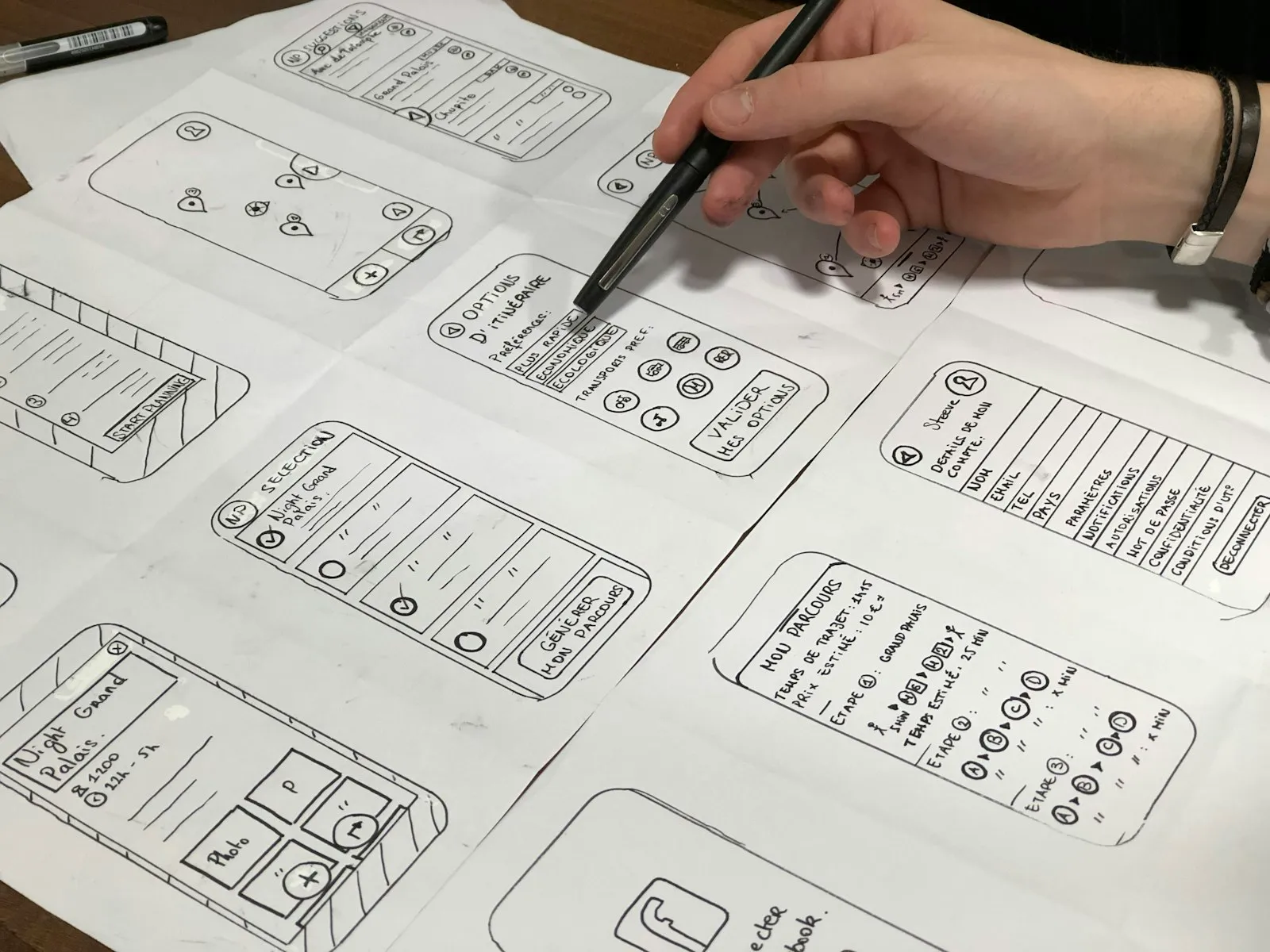
- Design and prototype. Test clickable prototypes with users before building.
- Choose the approach: native, cross-platform (such as React Native or Flutter) or PWA.
- Build and integrate with your CRM, e-commerce, booking or operations systems.
- Test across devices, operating system versions, network conditions and accessibility settings.
- Launch through the app stores, with store listing, screenshots and privacy information prepared.
- Acquire and retain users. Promote the app to existing customers, use app store optimisation, and give people reasons to return.
- Measure and improve based on usage data and reviews.
Which strategies drive adoption?
- Give a clear reason to install: something faster, cheaper or only available in the app.
- Make onboarding quick: let people do something useful before asking them to register.
- Use notifications sparingly and only when they are useful.
- Personalise content and offers based on behaviour and preferences.
- Keep it fast and stable. Crashes and slow screens drive uninstalls.
- Respond to reviews and fix what users report.
Which mobile trends matter?
- AI features: assistants, smart search, personalisation and on-device AI for privacy.
- Payments and wallets built into the experience.
- Super-app features where one app covers several services.
- Privacy expectations: clear permissions, data minimisation and store privacy labels.
- Accessibility as a requirement, not an extra.
How do you measure success?
Track installs, active users (daily and monthly), retention after 7 and 30 days, conversion and revenue per user, support contacts avoided, crash rate and store ratings. Compare against the business case.
Where to start
Before building an app, make sure the systems behind it connect, because an app is only as good as the data it shows. Our Systems & Integrations work handles that layer and builds custom apps where they earn their place. For property businesses, see real estate app features.
Questions
How can a mobile app increase business revenue?
By making repeat purchases easier, enabling loyalty and personalised offers, sending timely notifications, offering services only possible on a phone, and improving customer retention. For internal apps, by saving staff time and reducing errors.
How long does it take to build a mobile app?
A focused first version typically takes three to six months, including design, development, testing and store submission. Complex apps with many integrations take longer and are best delivered in stages.
Should we build for iOS or Android first?
Build for the platform your users mainly use, or use a cross-platform framework to reach both. Check your website analytics and customer data to see which devices your audience uses.