Growthplaybook
A practical playbook for AI and automation in marketing
How AI and marketing automation differ, how they work together, and seven tactics that free time, sharpen targeting and make results clearer.
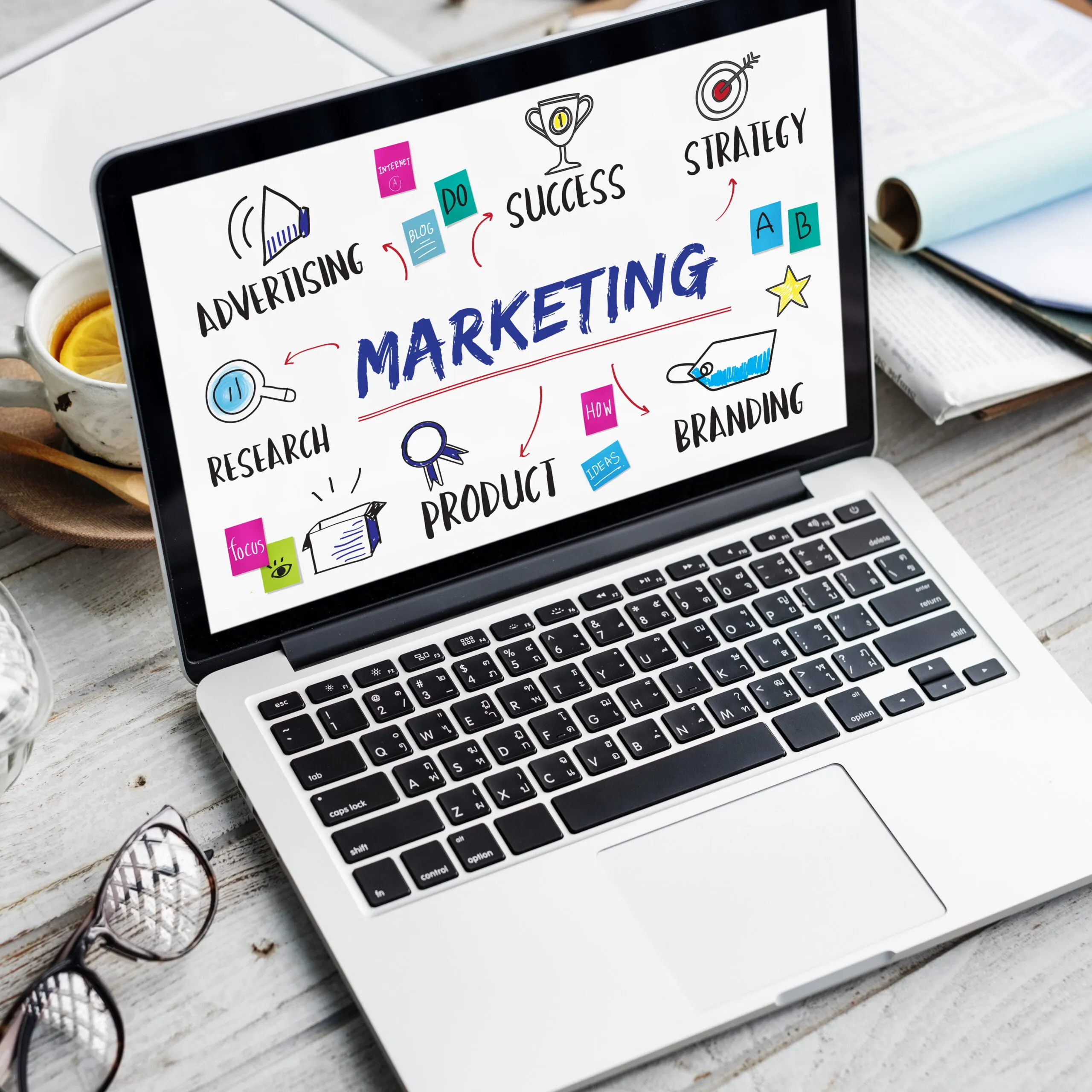
Marketing teams are busier than ever and still lose hours each week to the same chores: scheduling posts, copying figures into reports, sending follow-ups, resizing images. Automation takes those chores off the list. AI goes further, handling the parts that vary from one customer or one campaign to the next.
This playbook explains how the two fit together and sets out seven tactics, in the order we would tackle them.
AI and automation, in plain terms
Automation follows rules you set. When someone downloads a guide, send them an email three days later. When a deal reaches a stage, notify the account owner. It is reliable and predictable, and it only does what it is told.
AI copes with variation. It can read a message and decide what it is about, estimate which leads are most likely to buy, or choose which of five subject lines to send to each person.
Used together, automation provides the reliable workflow and AI provides the judgement at points where the right action depends on the situation. A person still sets the goals and checks the outcomes.
Seven tactics
1. Personalise beyond the first name
Use what you know about behaviour, such as pages viewed, products bought and emails opened, to decide which message or offer someone sees. Start simply: two or three segments, with different content for each. Add finer targeting only when the simple version has proved itself.
2. Add an assistant for common questions
A chatbot or assistant on your website can answer routine questions, book meetings and pass complicated enquiries to a person with the conversation attached. Define what it may and may not answer, make it clear that it is automated, and review a sample of its conversations every week.
3. Score leads so sales calls the right people first
Predictive scoring estimates which leads are most likely to become customers, based on who bought before. It saves sales time and shows marketing which sources produce buyers rather than just enquiries. It works best with a few hundred past outcomes and agreement between sales and marketing on what counts as qualified.
4. Test ads and emails continuously
AI can produce many variations of a headline, image or subject line, show them to small groups and shift volume towards the winners. This turns testing from an occasional project into a steady habit. Decide in advance what you are optimising for, such as qualified leads rather than clicks, so the system doesn’t chase the wrong target.
5. Streamline content production
Use AI for the first draft, outlines, summaries, and adapting one piece for several channels. Keep people responsible for the ideas, the facts and the voice. A simple routine works well: a person writes the brief, AI drafts, a person edits and fact-checks, and the final version is published under a named owner.
6. Make your content easy for AI search to find and quote
More people now ask AI assistants for recommendations, so being clear and citable matters. Answer buyer questions directly, keep facts accurate and dated, structure pages with plain headings and make sure your site is well organised. Our guide to SEO for AI search covers this in detail.
7. Measure honestly
Automation can create the illusion of progress, because more messages go out and more reports arrive. Track outcomes: cost per qualified lead, conversion between stages, time from enquiry to first reply, and hours saved. Compare with the baseline you recorded before you started.
Common pitfalls
- Automating a broken process. Fix the process first, otherwise you produce the same poor results more quickly.
- Messy data. Duplicate contacts and inconsistent fields undermine personalisation and scoring.
- Too many messages. Because sending is free, it is tempting to send more. Customers notice, and unsubscribe.
- No owner. Every automated workflow needs a person who is responsible for its results and its mistakes.
- Ignoring consent. Respect marketing preferences and the data rules that apply to your audience.
Where to start
Choose one workflow that takes a lot of time and has a clear measure, such as lead follow-up. Record how long it takes and how many leads convert today. Automate the predictable steps, add AI where the response needs to vary, and review after a month. Then move to the next.
For the larger picture, see our overview of how AI is changing digital marketing, and our AI-era growth work if you’d like help turning these tactics into measured results. You can also talk to us about where to begin.
Questions
What is AI marketing automation?
Using AI inside automated marketing workflows so they can handle variation: segmenting customers, personalising messages, scoring leads, testing content and adjusting campaigns, rather than only following fixed rules.
What is the difference between AI and automation in marketing?
Automation carries out defined steps, such as sending an email three days after a download. AI decides or predicts, for example which content to send, to whom and when. The best setups use both.
Which marketing tasks should we automate first?
Repeated, rule-based jobs with clear measures: lead follow-up emails, social scheduling, reporting and data entry between systems. Leave brand voice, strategy and sensitive replies with people.
How do we know it is working?
Compare against a baseline measured before the change: time spent, response speed, conversion at each stage of the funnel and cost per qualified lead. If nothing moves, the tool isn't earning its place.